When Should You Replace Your Tires? 6 Warning Signs Alcoa Drivers Shouldn’t Ignore
SE HABLA ESPAÑOL. Tires can need replacement before they look completely worn out. Tread depth, cracks, sidewall damage, air loss, and age all matter. If you’re wondering when to replace tires, use these six checks as a guide, and have a questionable tire inspected before continuing to drive on it.
1. Tread Is Down to 2/32 Inch
Tires have built-in treadwear indicator bars across the grooves. When the tread wears down level with these bars, it has reached the common minimum replacement depth of 2/32 inch.
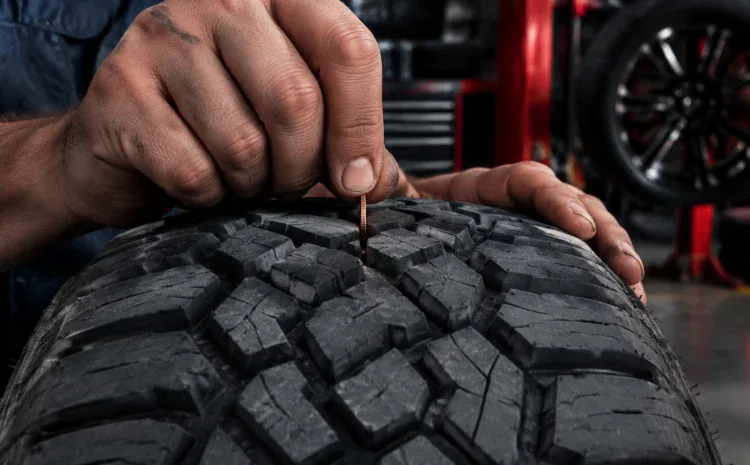
You can also try the penny test:
- Place a penny into a main tread groove with Lincoln’s head facing down.
- Check several grooves in different places on the tire.
- If you can see the top of Lincoln’s head, the tread may be at or near the replacement limit.
The penny test is a quick check, not a substitute for measuring tread depth. Tires can also wear unevenly, so inspect more than one spot. The NHTSA tire safety guidance recommends replacing tires when tread is worn to the minimum depth identified by the penny test.
2. You See Cracks or Dry Rot
Inspect the sidewalls and the spaces between tread blocks. Look for cracking, brittle-looking rubber, or small cracks that seem to be spreading. These can be signs of rubber deterioration, sometimes called dry rot.
A tire may show age-related damage even when it still has plenty of tread. Don’t assume that good-looking tread makes a cracked tire safe. If you notice visible cracking, have the tire checked by a tire professional. Significant deterioration may mean it needs replacement.

3. There’s a Bulge, Bubble, or Sidewall Damage
A bulge or bubble in the sidewall is a serious warning sign. It can indicate internal structural damage, and the tire should not be treated as safe for normal driving. Cuts, deep cracks, or exposed cords are also reasons to stop and get professional advice.
Don’t ignore a sidewall bulge or try to repair it yourself. If the tire appears structurally damaged, avoid driving on it. Use your spare only if it’s in safe condition and you know how to install it properly; otherwise, arrange help. See Michelin’s guide to sidewall problems for more information.
4. The Tread Is Wearing Unevenly
Check across the full width of each tire. One shoulder wearing faster than the other, a smooth strip down the center, or irregular patches may point to an issue that needs attention.
Uneven wear can be related to inflation, alignment, suspension, or other vehicle conditions. The pattern alone doesn’t confirm the cause, but it’s a useful reason to have the tires and vehicle checked. Replacing a tire without addressing the underlying issue may leave the same problem affecting the replacement.
5. A Tire Keeps Losing Air
A tire that needs frequent air top-ups or won’t hold pressure may have a puncture, a leaking valve, or another problem. Don’t just keep adding air and assume the issue is solved.
Check pressure with a reliable gauge when the tires are cold, and follow the pressure listed on the vehicle’s tire-information placard or in its owner’s manual. The number on the tire sidewall is not usually the vehicle’s recommended pressure. If the tire keeps losing air, have it inspected to find out whether it can be repaired safely or needs replacement.
A tire pressure warning light can also point to low pressure or a TPMS issue. Universal Tire Tire Center offers tire and TPMS services in Alcoa, including tire inspections and TPMS sensor diagnostics.
6. The Tire Is Old
Tires age even when a vehicle is driven infrequently or the tread looks acceptable. To check a tire’s manufacturing date, look for the DOT Tire Identification Number on the sidewall. The last four digits show the week and year of manufacture. For example, 3520 means the tire was made in the 35th week of 2020.
The full date code may appear on only one sidewall, so you may need to inspect both sides. Age guidance varies by tire and vehicle manufacturer. Many recommend regular inspections as tires get older, and some recommend replacing tires by around 10 years from manufacture, regardless of tread depth. Follow the recommendations for your specific tires and vehicle. The NHTSA tire safety guidance also advises drivers to follow manufacturer guidance on tire age and replacement.
What to Do If You Notice a Warning Sign
A quick look can catch obvious problems, but it may not reveal internal damage or the full extent of wear. If you’re unsure, arrange an inspection. Don’t delay if you see a bulge, exposed cords, severe cracking, or another sign of possible structural damage.
When it’s time to replace a tire, choose the right size and type for your vehicle and driving needs. Universal Tire Tire Center is a locally owned, family-operated tire shop in Alcoa, TN, with new tires and professionally inspected used tires. You can browse new tires or used tires online, or call to check current options.
With the purchase of a qualifying set of four new tires, free lifetime tire rotations, balancing, flat repair, and tire inspections are included. Road Hazard Protection is available on new tire purchases for damage from nails, potholes, and road debris; ask the team about its terms.
Keep Your Tires in Safe Condition
Check tread, rubber condition, sidewalls, pressure, wear patterns, and age. No single check tells the whole story. If you spot a concern, have the tire inspected and follow the guidance for your vehicle and tire.
Need help deciding when to replace tires? Call Universal Tire Tire Center at 865-268-5618 or visit us at 209 S Hall Rd, Alcoa, TN 37701. We’re open Monday–Saturday, 8 AM–6 PM; closed Sunday. English and Spanish are spoken.